Ifugao Center for Living Culture
Ifugao CLC’s Fundraising Efforts
With a particular focus on agriculture, we are launching direct crowdfunding to restore rice terraces, preserve native heirloom seeds, and farm organically. A large part of our funds will be used to purchase abandoned rice fields in a dwindling village where we have been working in the past five years.
We are grateful to all of the ancestral connection and cultural preservation movements that Mamerto has been a part of up until now that have created the space, experience and platform to arrive at this moment. We thank you for trusting us with this honorable work.
Why Support Us?
The intimate relationship that our ancestors had with the land and their environment is rapidly being lost. Natural farming styles, indigenous ecological knowledge and the wisdom keepers who retain it, are being marginalized and abandoned by people in all parts of the world. Now, our lives are being pulled in one direction to the next by the necessity of money and processed foods. As a result, the joy, knowledge, and health benefits from farming is known by fewer and fewer people today, and the social status of the farmer is reduced to lowly day laborers who are perceived as uneducated and impoverished. Yet these farmers and the skills their ancestors taught them are of as much value today as they ever were. The capacity to live in harmony with nature and utilize our labor and our will to create a healthy and prosperous community will always be valuable knowledge. Learning from nature and trusting that nature can provide for us, as long as we respect and communicate with it, is what has allowed people and all living things to survive and thrive on this planet since time immemorial. That is why the Center for Living Culture is revitalizing the indigenous knowledge in Ifugao, so that people from all parts of the world can learn about the ingenious ways of farming and living with the natural world. These skills allowed the Ifugao people to resist colonization and create some of the most beautiful and healthy food systems the world has ever seen. Today, we are working to grow native rice & vegetables, embrace local diets, revitalize indigenous knowledge, decolonize ourselves and our community, and promote health and happiness over profits. At a time when rapid industrialization and technology are overwhelming our minds, bodies, and planet, finding ways to reconnect to nature can create a future that allows abundance for our spirit and our health, and not just our wallets.
Your donation will go directly towards the restoration of rice terraces, the payments of farmers, the increased production of sustainable, biodiverse and culturally rich food, and the legal procurement of abandoned rice fields.
Rationale
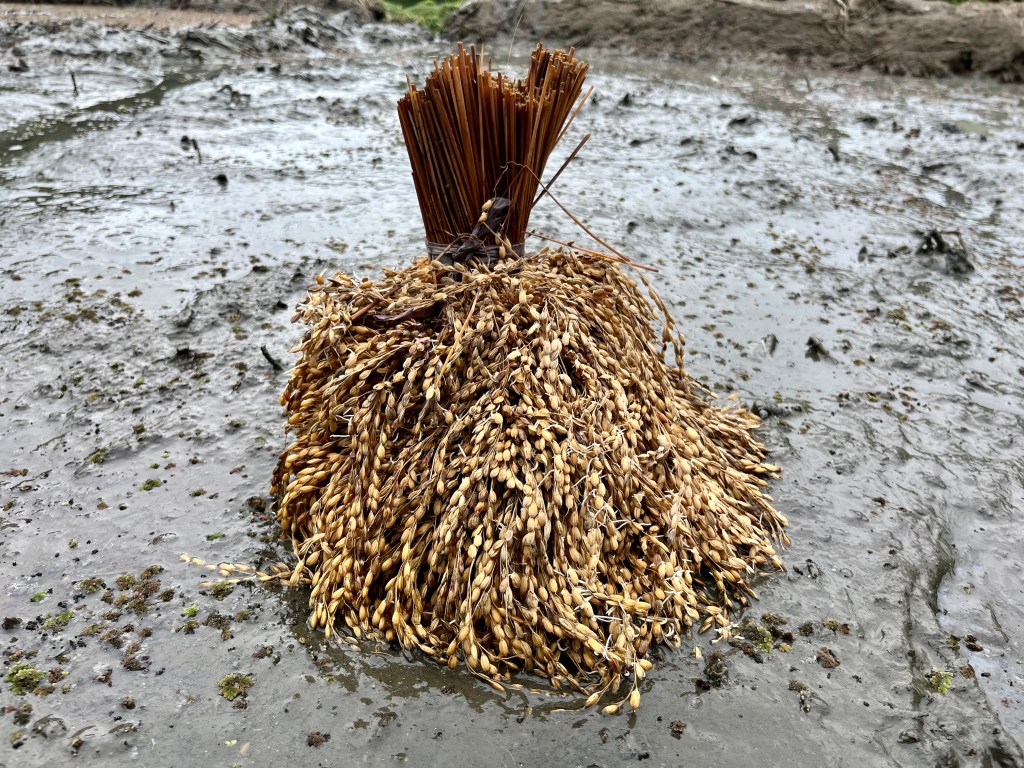
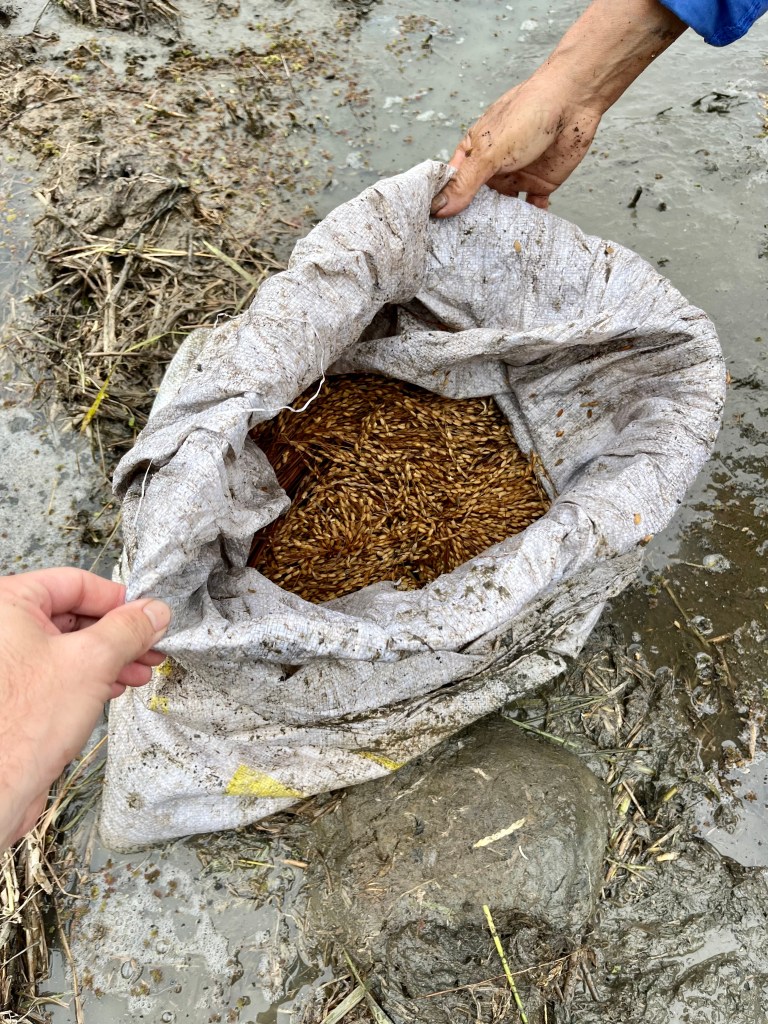
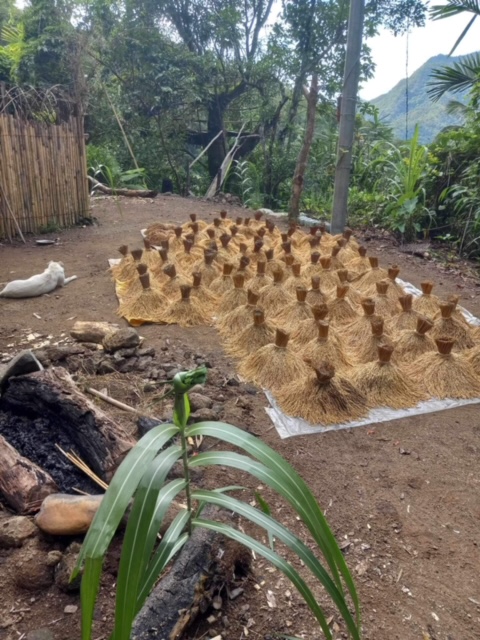
The members of the Center for Living Culture are seeking your assistance to expand the farming operations and cultural revitalization activities in the province of Ifugao, Philippines. This cultural revitalization process of the indigenous culture is holistic, encompassing traditional agriculture practices, diet, architecture, spirituality, and more. The rice terrace fields of Ifugao and their neighboring provinces are unique for several reasons. First, they host one of the most diverse and abundant varieties of rice species in the world. It’s estimated that the region as a whole still contains over 400 types of native rice which are generally richer in fiber, protein, and vitamins that mass produced rice. These abundant varieties of rice crops create a haven for a healthy ecology which can support the life of many other species of plants and animals, and creates greater resistance to disease and pest infestation. Secondly, the methods for growing rice and other crops are steeped in a rich and complex culture that allows for healthy crop growth without any use of any chemicals or fertilizers. The agriculture is tied to at least 17 different holidays and rituals which are part of a profound system of knowledge which utilizes spirit, story-telling, and ancestral relations to ensure abundant food supplies. Additionally, the skill of saving seeds and avoiding any chemicals is both healthy for farmers and consumers, and reduces financial risk in farming, allowing farmers to retain their economic independence.
Currently, the astute agricultural practices of the original inhabitants are not being supported by local government, which prioritizes tourism and its quick cash turnover over agriculture and community health, and the supply of heirloom seed and traditional ecological knowledge are gradually disappearing. The use of pesticides, herbicides, and fertilizers are increasing, causing damage to the delicate structure of the terrace soils and walls, and killing essential animals and plants in the environment. The number of rice species cultivated is declining, with most farmers using modern seed varieties, causing higher risk of plant epidemics and loss of biodiversity. Many citizens are abandoning rice production completely and converting their fields to commercial vegetable production using commercial seeds and heavy application of agro-chemicals. Without interventions and support for people who still value and utilize the indigenous knowledge, the risk of total abandonment of traditional farming and native varieties of crops is high. The indigenous ways of thinking and practices are vital for the preservation of biodiversity and sustainable agriculture in the region, and their indigenous knowledge can be utilized for organic, sustainable economic growth of the community and the continuation of the unique pride and strength of the Ifugao people.
In order to revitalize the traditional rice production, a holistic approach is necessary that emphasizes increasing the value of indigenous knowledge and indigenous diets. This includes increased economic valuation of traditionally processed foods, and increased social value of farming and the incredible knowledge required to cultivate heirloom rice. By embracing a movement which appreciates cultural heritage and the people who uphold it, as a foundation for food and economic security, the indigenous Ifugao knowledge and the rice terraces can continue to thrive.
The Mission of the Movement
- Restore the rice production on the terraced fields in Guilot, one of the original settlements in Banaue
- Improve food security and health by increasing the quantities of locally, naturally grown food for consumption and commercial purposes
- Revitalize mixed crop/animal farming (i.e., integrated farming), most especially on the rice paddies where root crops, fish, and shell fish were once plentiful
- Reintroduce native varieties of rice and vegetables
- Reduce or eradicate completely the use of synthetic agro-chemicals on the rice terraces
- Utilize, promote, and research the indigenous methods of farming which do not rely on external or synthetic inputs
- Network with like-minded organizations and individuals in the promotion of natural agriculture and indigenous culture
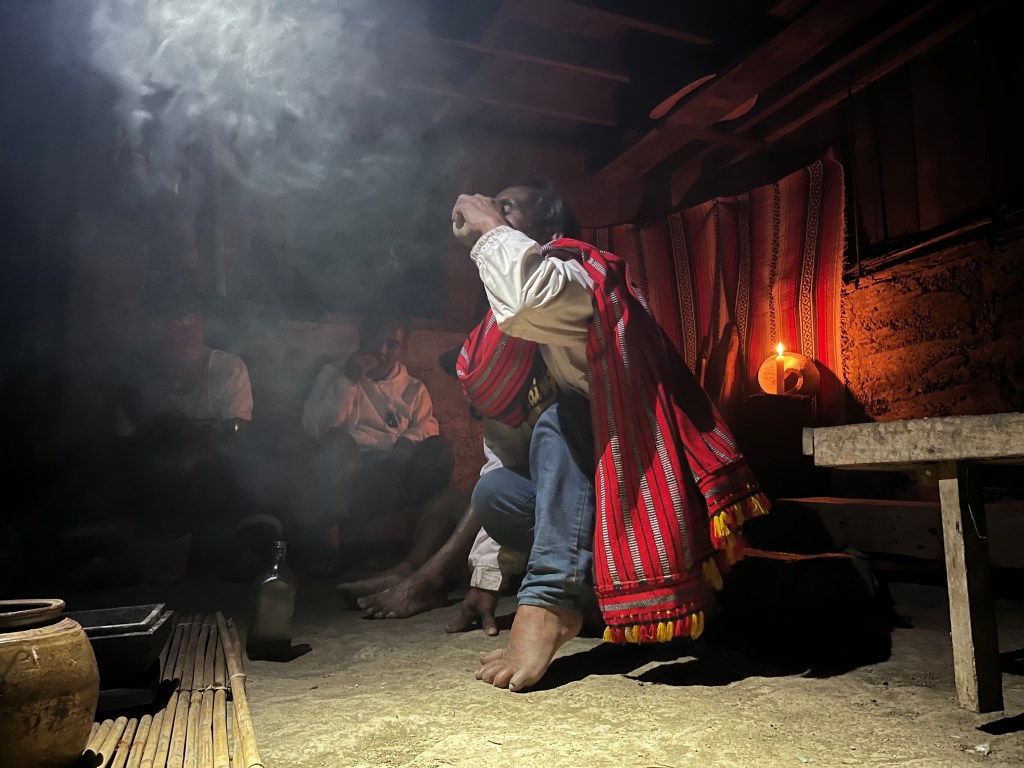
- Revitalize the agricultural rituals on the rice fields of Guilot and other villages in Banaue
- Promote the culture and support wisdom keepers through local and national conferences, lectures, workshops, and similar events
- Create a warm, welcoming, and inspiring place for local and international visitors to learn about and embrace natural living and indigenous knowledge
- To promote an agriculture and food economy that takes advantage of the cultural heritage, which includes traditional crop varieties, indigenous farming, and local food processing
- Expand markets for traditionally processed foods and native heirloom crops
The movement goals:
- Acquire remaining four fields in Guilot
- Restore two native huts in Guilot for grain storage and living accommodations
- Hold Mumbaki (local priest) congress in November
- Hire two full-time farmers
- Install satellite wifi internet
- Create website for educational and promotional purposes
- Create Patreon account for membership options and sustainable funding
Proposed Budget
Background
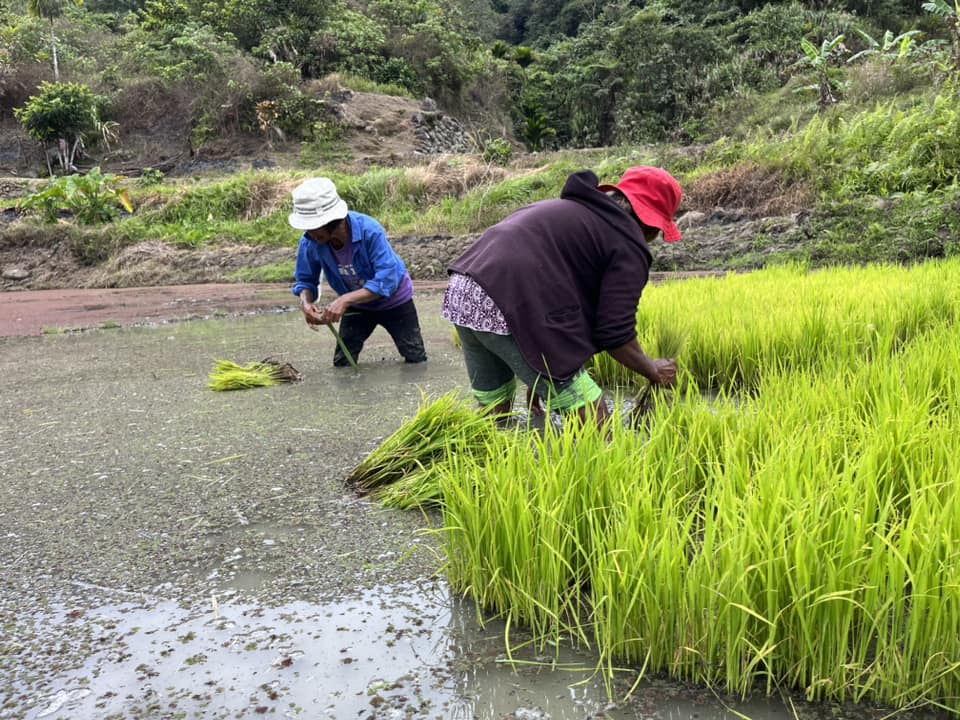
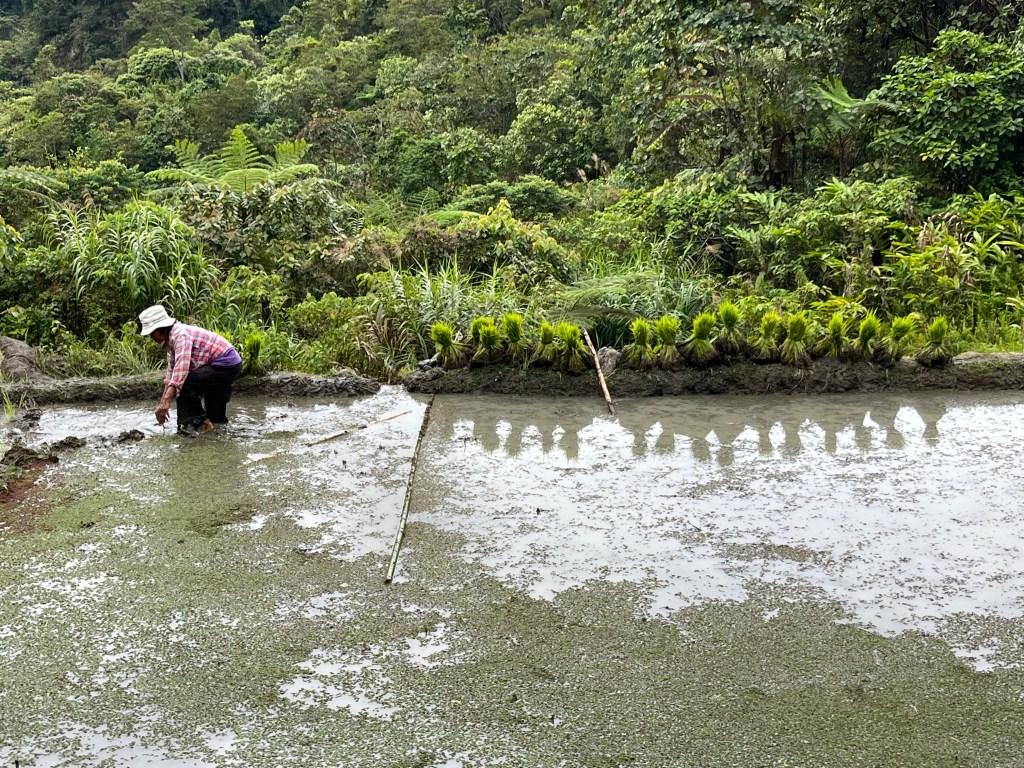
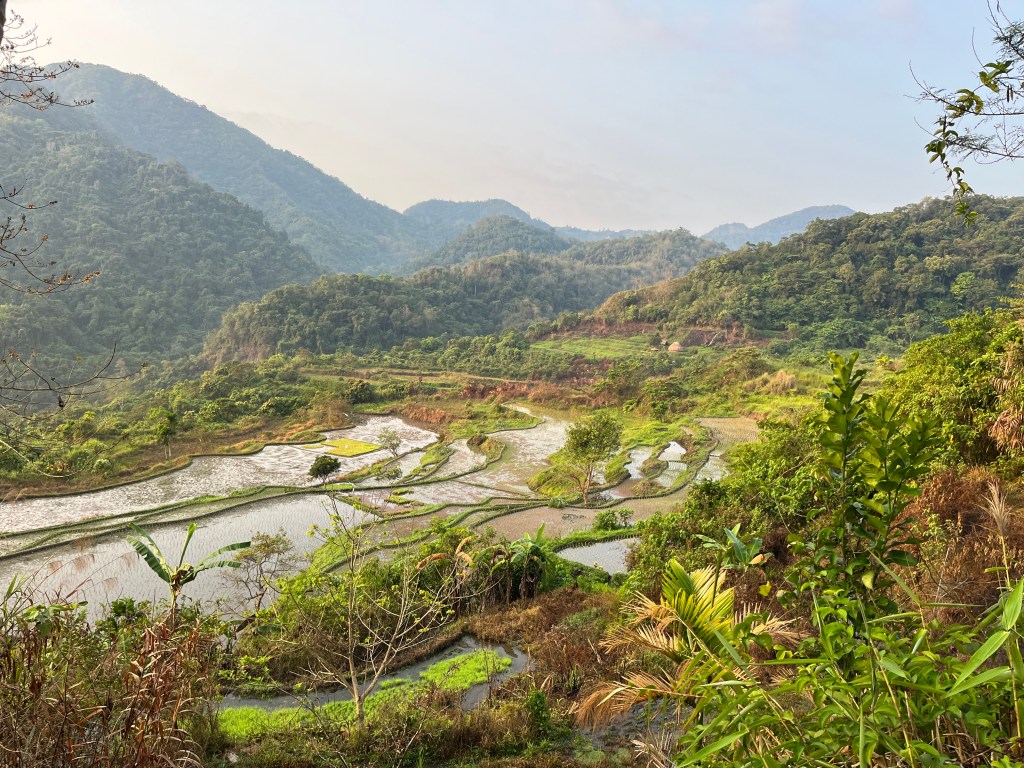
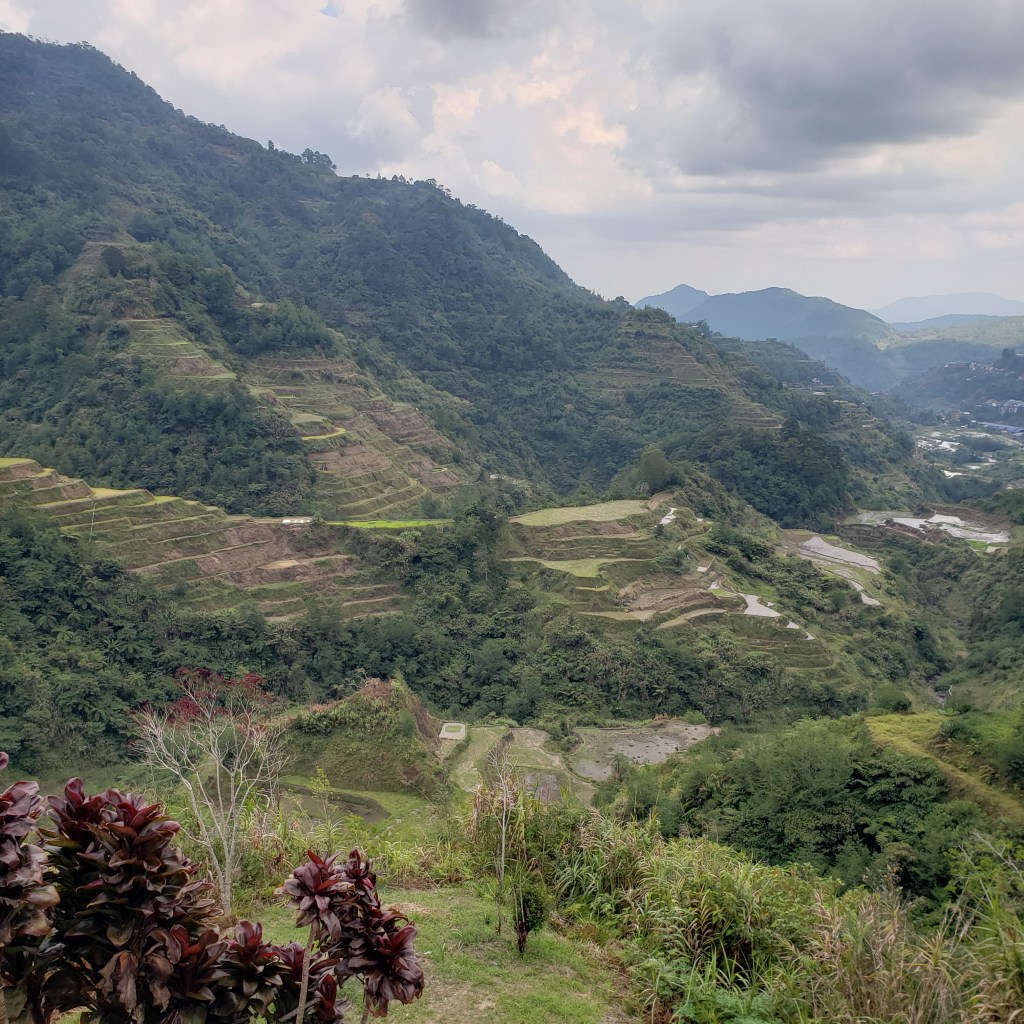
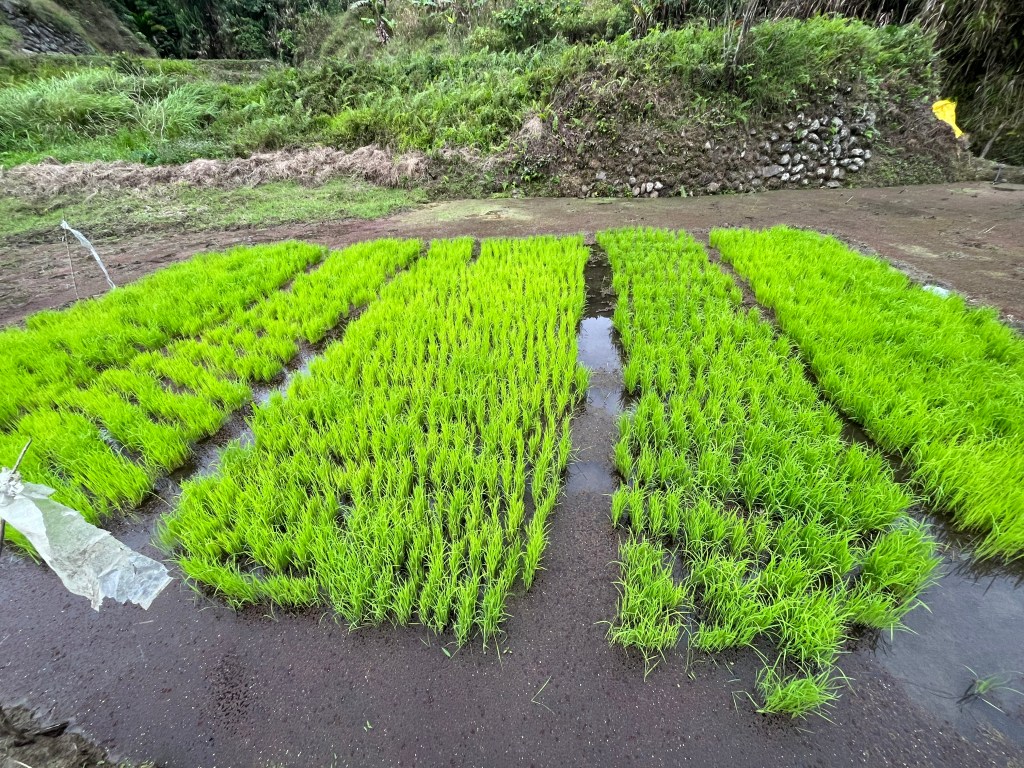
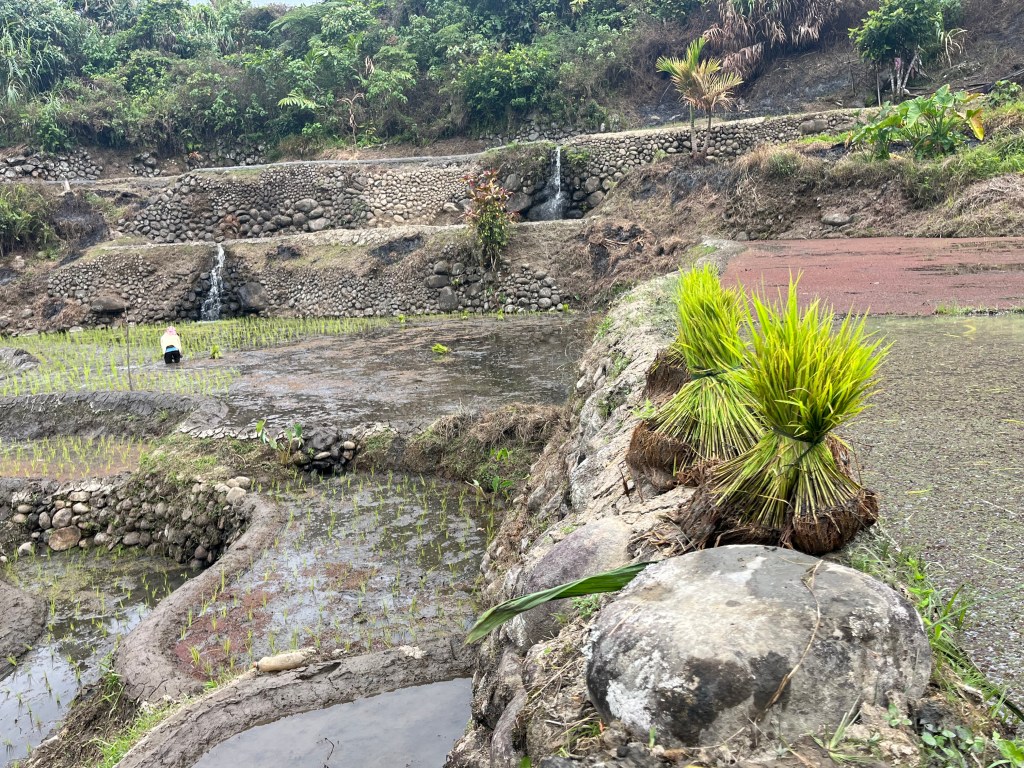
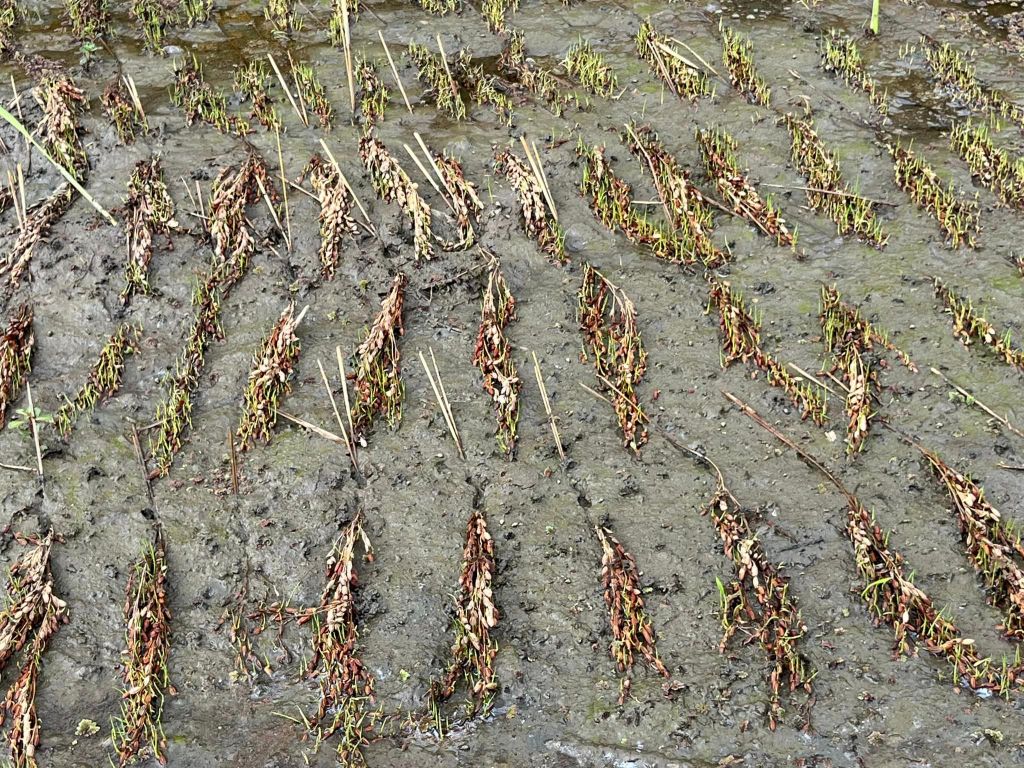
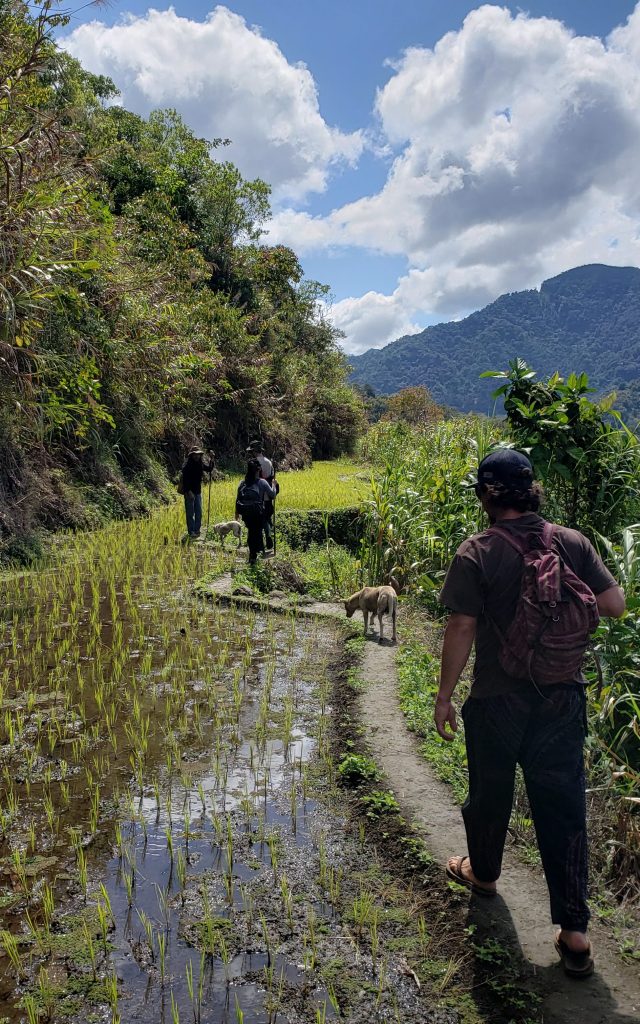
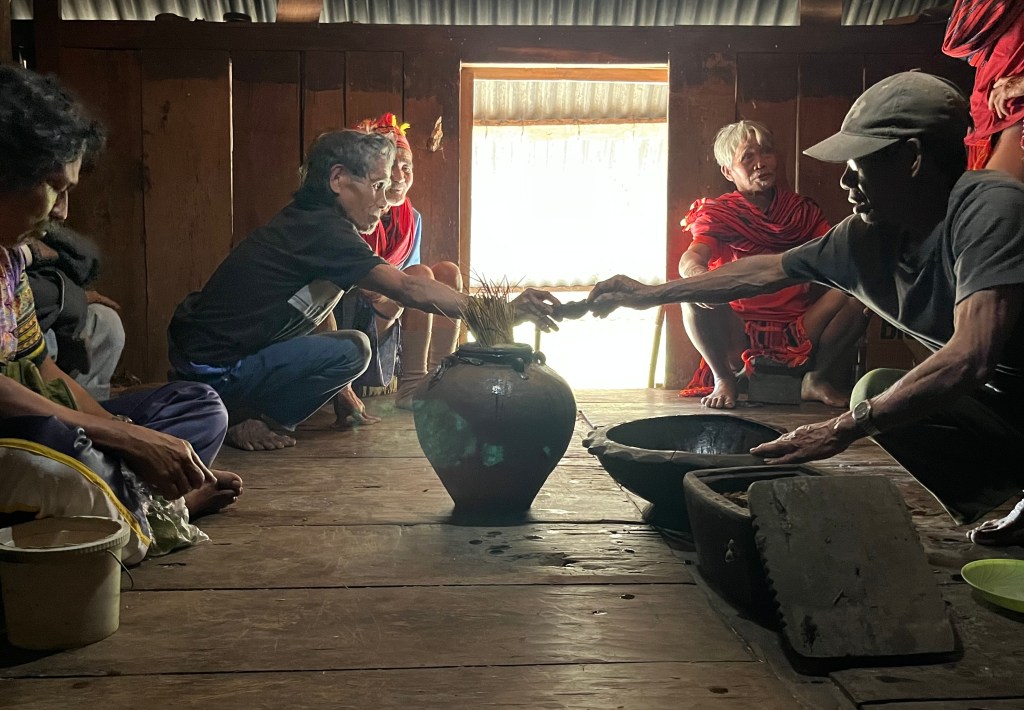
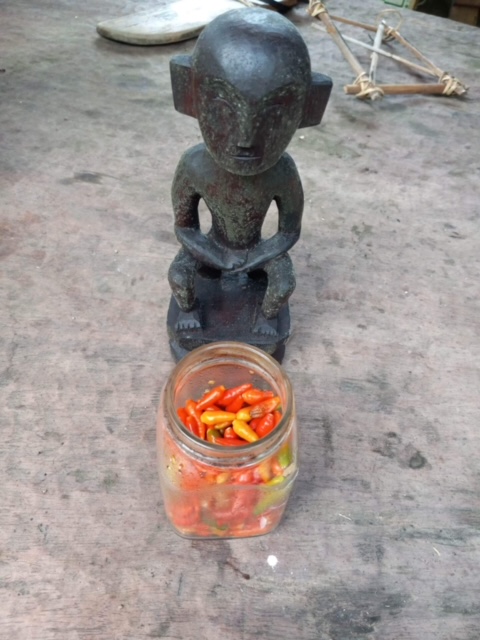
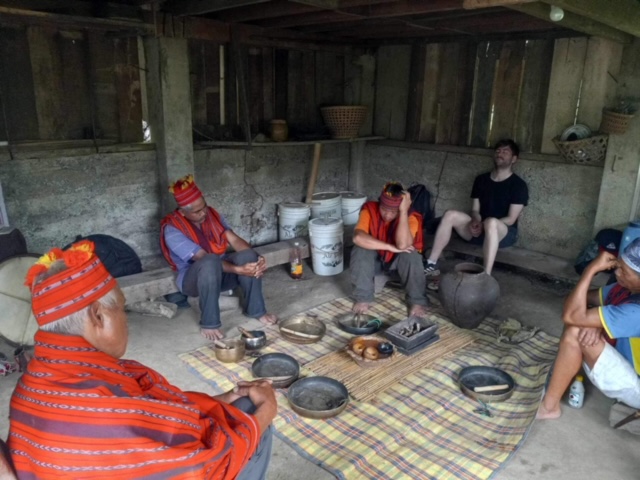
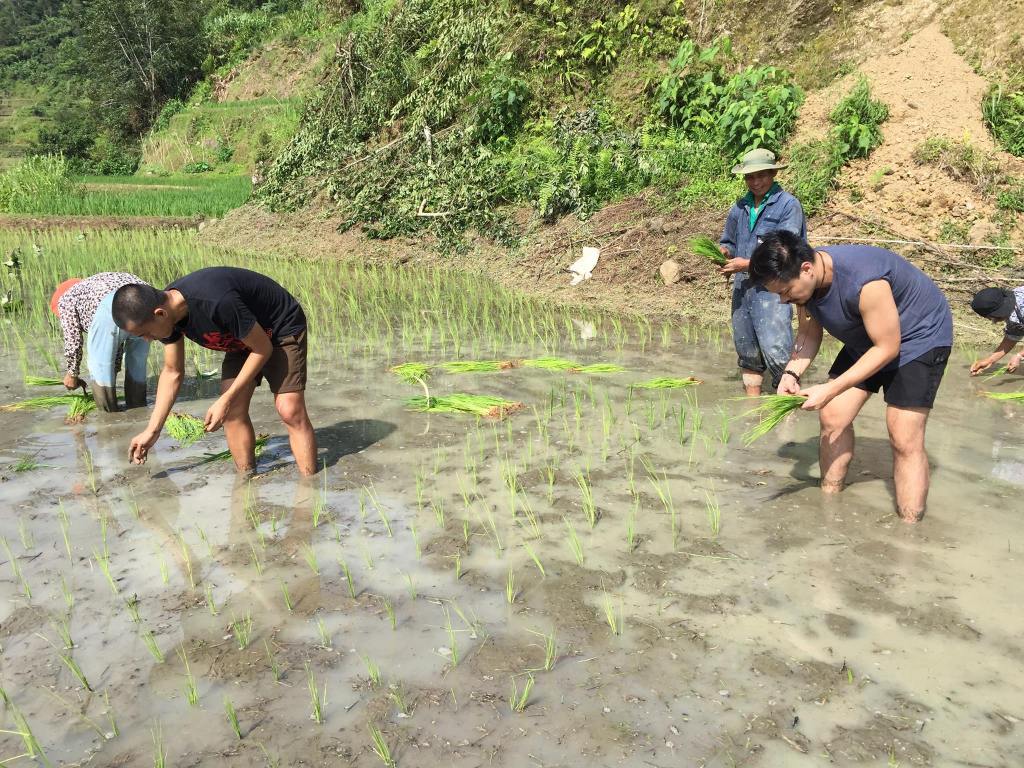
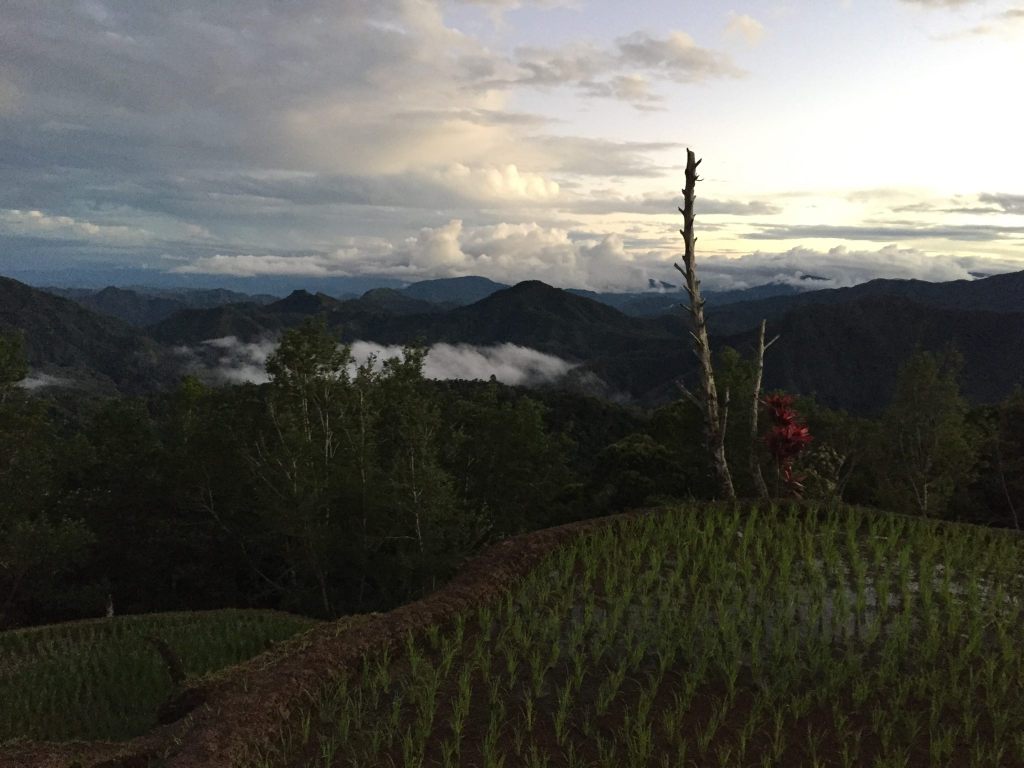
For the past five years, under the guidance of Mamerto Lagitan Tindongan, community members, students, researchers, and volunteers have been restoring traditional rice fields in the municipality of Banaue, Ifugao and learning the indigenous knowledge of the Ifugao people. The movement has been focused in the village of Guilot, located in the lower altitude valley of Banaue, one of the original settlements of the Ifugao. Since the efforts began, more than 2 hectares (5 acres) of rice terraces have been restored and several species of endangered rice varieties have been reintroduced in the area. The knowledge and practice of agriculture rituals performed by Mumbaki, the local priests, have been revitalized in the sitio where on the abandoned fields are being restored. The operations in Guilot have greatly increased the quantity of food available in the area and employment opportunities for local citizens. Dozens of national and international volunteers and visitors have participated in farming and benefited from the consumption of natural foods and the acquisition of indigenous knowledge.
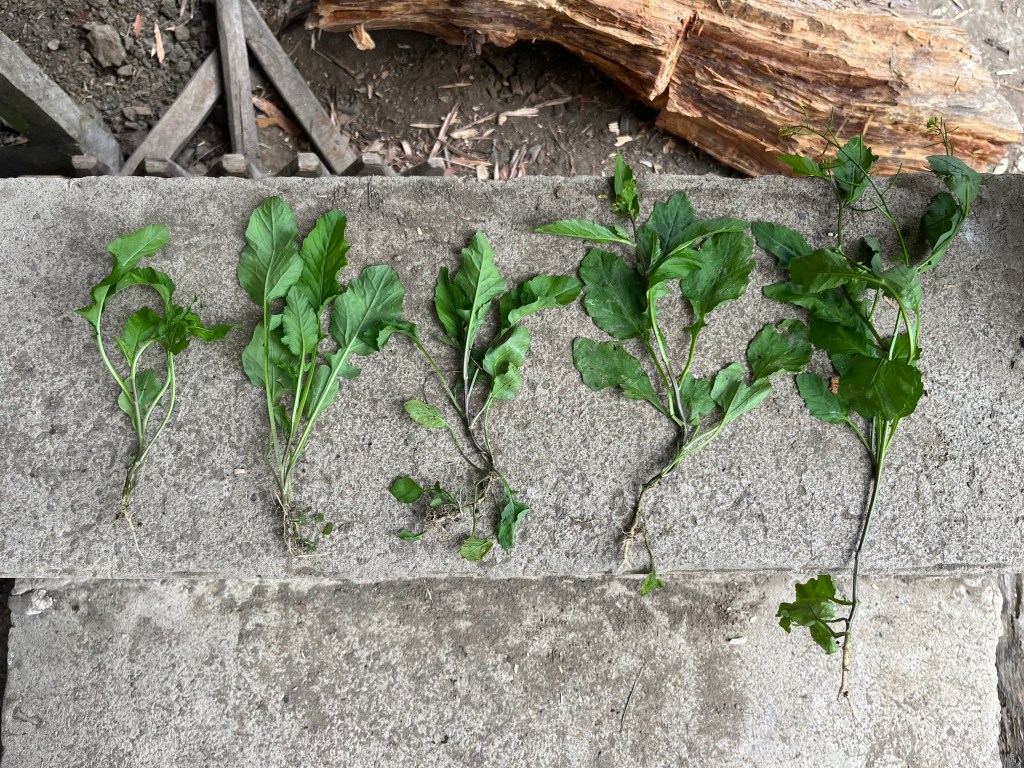
Despite the successes thus far within the Center for Living Culture, there remain many challenges to sustaining farming operations. First, there is a lack of available labor as many skilled farmers have migrated to the lowlands or left rice farming in favor of other labor jobs, such as construction, day labor, and employment in commercial vegetable farming. Additionally, the youth are losing interest in farming as both a profession and a past-time because traditional farming and indigenous knowledge are not promoted in the schools or by newly introduced Christian churches. Farming is generally perceived as a burden because of its lack of economic incentives and devaluation in modern society. Second, the majority of the population are no longer participating in agricultural rituals and the number of traditional priests is rapidly declining. Without people to inherit these skills and information, the knowledge that allowed for the creation and protection of the traditional farming could be lost. Lastly, diets are shifting towards a preference for imported and processed foods, creating greater dependence on income for food security and a decline in community health. Simultaneously, knowledge of natural edible vegetables, herbs, and animals is being forgotten.
It is for these reasons that the Center for Living Culture started farming in Guilot, in order to revitalize the practical strengths of the indigenous ways and in turn increase food security, improve self-esteem, and reclaim the knowledge that colonization has attempted to destroy.
Online donations can be made through Nourishing Futures, our fiscal sponsor based in the United States.
To donate, please follow the link to the Nourishing Futures donation portal, and be sure to select “Ifugao Center for Living Culture” from the dropdown menu in the second page.
Nourishing Futures is a
501(c)(3) Public Charity
EIN 01-0660562
Donations to the CLC go toward abandoned rice field acquisition, renovations and repairs, paying field workers, and to supplement all the volunteer time that we put towards land maintenance, gardens, structures and hosting visitors.


 Ifugao Center for Living Culture