Ifugao Center for Living Culture
Food, Farming & Sustainability
Enriching biodiversity and embracing diverse diets
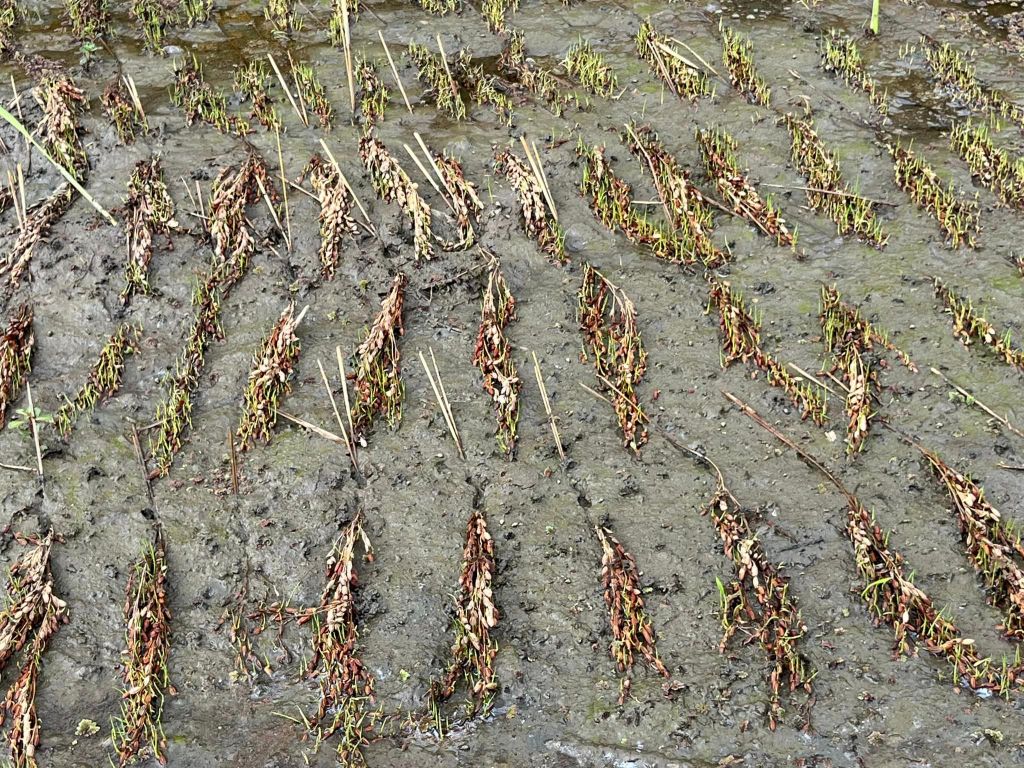
In-situ conservation of indigenous rice species:
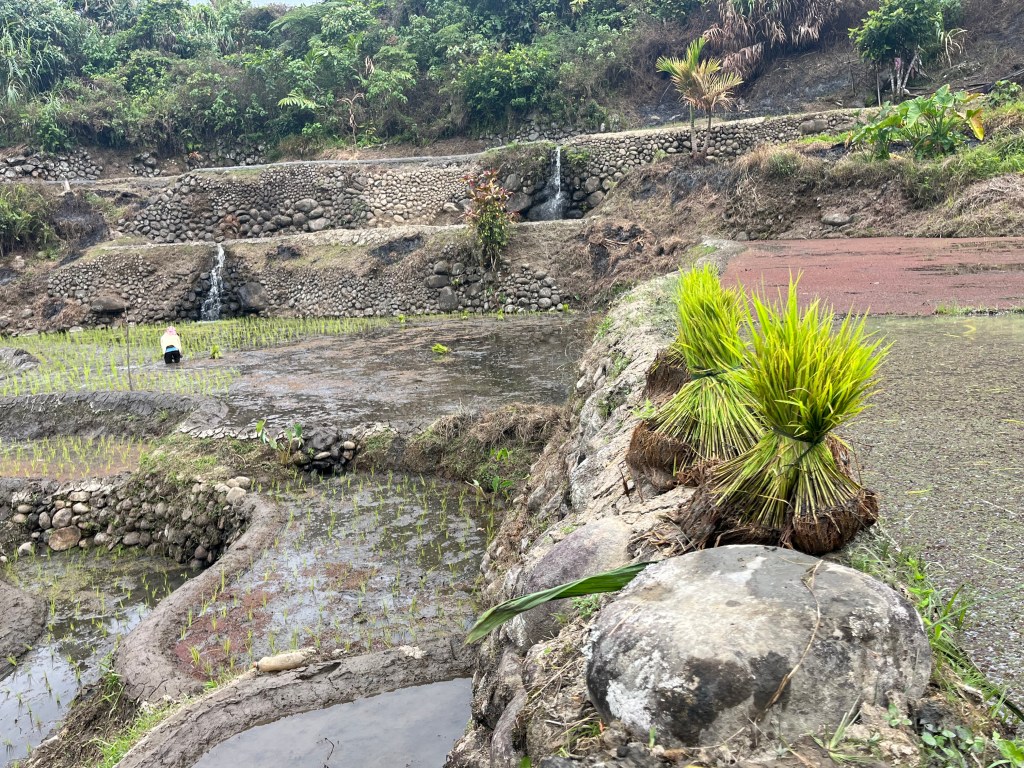
The rice terrace fields of Ifugao and their neighbouring provinces host one of the most diverse and abundant varieties of rice species in the world. It’s estimated that the region as a whole still contains over 400 types of native rice which are generally richer in fiber, protein, and vitamins than mass produced white rice. These abundant varieties of rice create a haven for a healthy ecology which can support the life of many other species of plants and animals, and creates greater resistance to disease and pest infestation. Today, many citizens are abandoning rice production completely and converting their fields to commercial vegetable production using commercial seeds and heavy application of agro-chemicals. Without interventions and support for people who still value and utilize the indigenous knowledge, the risk of total abandonment of traditional farming and native varieties of crops is high. That’s why we are searching for, buying, and planting heirloom varieties of rice that could soon be lost. The process of preserving and reintroducing native seeds is often called in-situ biodiversity conservation.
Ensuring the continued cultivation of culturally and nutritionally significant heirloom rice requires the expert skills of indigenous farmers to save the seed and foster each season’s crop. Traditional varieties of seed are collected using an ancient single-blade hand tool and usually selected by the most senior female farmer of the family. Through the Center for Living Culture, we still save seed by hand and work to preserve the knowledge of traditional seed-saving using the ancient single-blade.
Spirituality and farming:
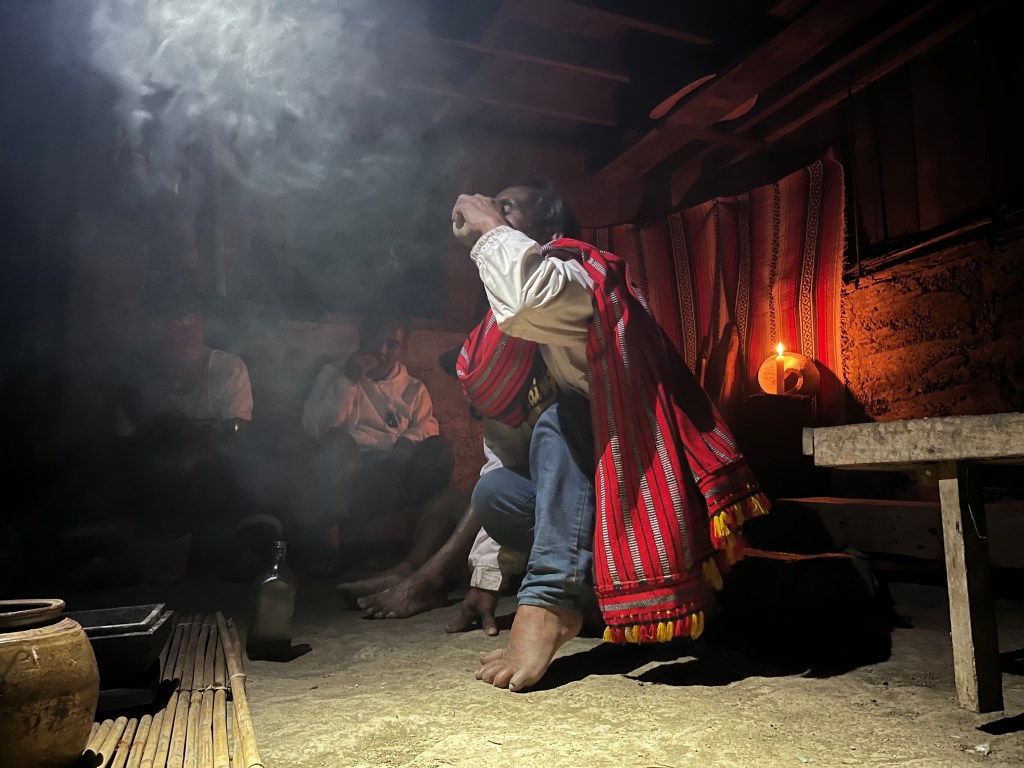
The rice terraced agriculture in Ifugao is intimately tied to the baki system. There are traditionally 17 rituals performed by mumbakis and the community during the rice production calendar. Rice wine is always included during the ceremonies, both for its psychological effects, and its positive benefits for health and food preservation because of the fermentation process. The practice of baki is profound and complex. Mumbakis initially communicate directly to ancestors, asking for their presence and support in calling down deities. With the assistance of ancestors, the deities are spoken to via chants and legends (story-telling), with the intention of asking for mercy and help in assuring a healthy and abundant harvest. Today, the majority of the population are no longer participating in agricultural rituals and the number of traditional priests is rapidly declining. Without people to inherit these skills and information, the knowledge that allowed for the creation and protection of the traditional farming could be lost. Center for Living Culture honors the baki by continuing the practice of agriculture rituals and supporting mumbakis through cultural events, conferences, and monetary payments for their services.
Foraging:
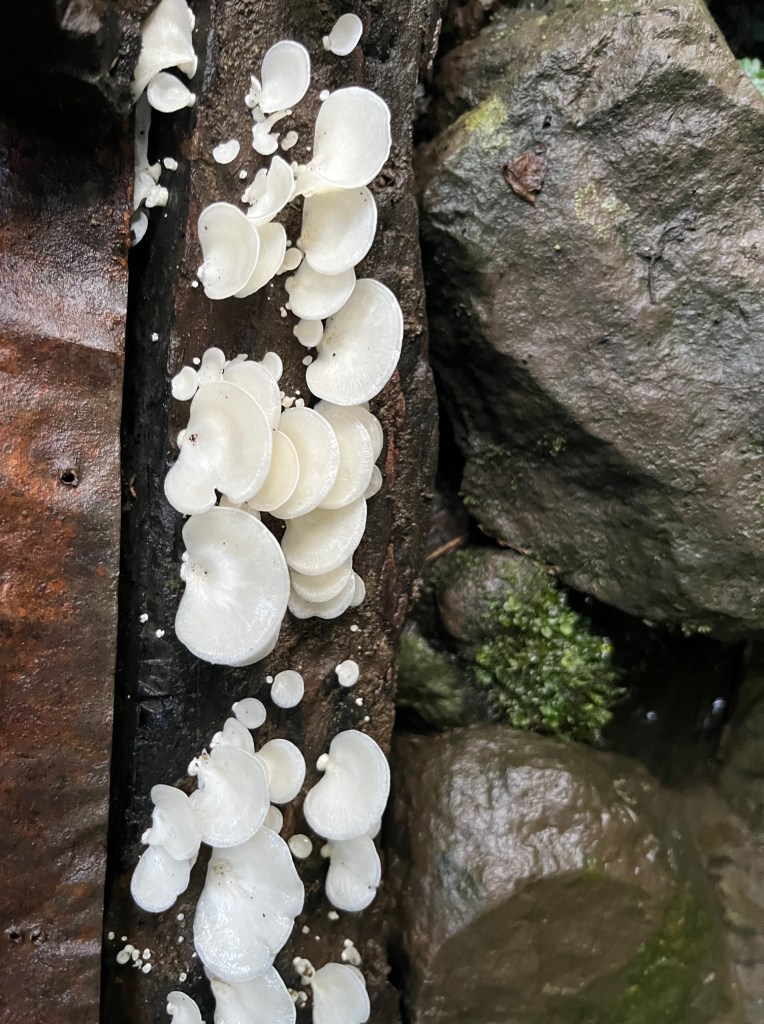
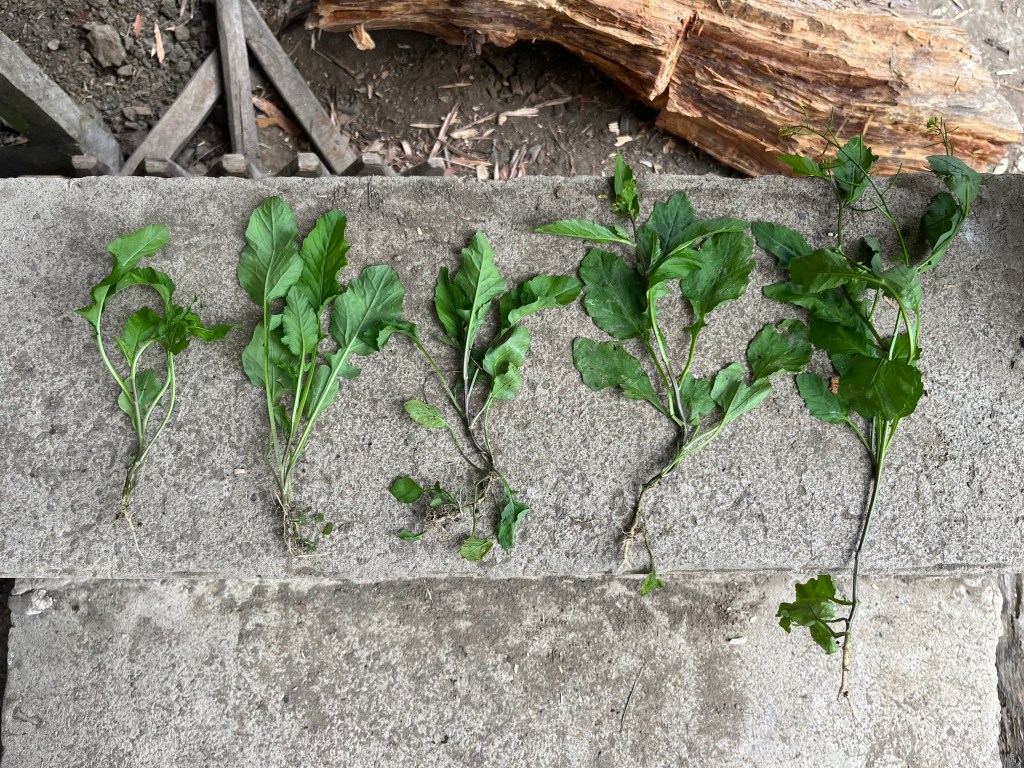
Indigenous diets rely on plants and animals which coexist with people in the natural environment. In Ifugao, there are numerous herbs, vegetables, fishes, mammals, and mollusks that are part of the diet that the people have relied on and valued for thousands of years. This diet is rich in vitamins, fiber, and protein, and is economical because it relies on what is found in nature. Consumption of these natural foods is still common in Ifugao today, though the variety of foods and knowledge of how to harvest them is declining. Use of agrochemicals and increasing reliance on processed foods is negatively impacting the natural food population and the knowledge of their nature. Members of the CLC and visitors learn how to identify and cook these foods, and the promotion of natural farming ensures these populations won’t be killed or hurt in the processing of farming.
Traditional Food Processing:
Consumption of indigenous rice and traditional delicacies requires physical skills and strength to traditionally grow and process the food. No machines or heavy equipment are required to consume and produce culturally significant foods, such as daily rice, rice wine, and local desserts. To remove the rice husks, the grains are removed by hand from the stem and pounded in a mortar and pestle manually. Rice wine is cooked over a wood fire and manually turned for several hours and placed in hand-made baskets and clay jars to ferment. The slow and laborious process of preparing food gives extra meaning to its consumption and cultivation. The food is intimately connected to the people, and the relationship between ourselves and the food that sustains us is strengthened when we participate in every step of its production and consumption. At the CLC, people continue the practice of traditional food processing, and members and guests receive the physical benefits of growing and preparing their food manually.
Sustainability:
The continued practice of baki and traditional farming and lifestyles requires some degree of modernization in order to fit people’s needs in this ever changing world. Economizing, or valorizing, the indigenous products in line with Ifugao cultural heritage can create more economic opportunities and better food security for the citizens and their trading partners. This means creating a market for heirloom products, such as rice wine, tinawon rice, native delicacies, and arts & crafts, in ways that utilize and value the indigenous skills required to make them. Many of the indigenous products can only be produced in limited numbers and require special care and attention in order to retain their integrity. The Ifugao CLC therefore plans to produce and trade certain indigenous products, primarily food, for specialized markets where the items can obtain the highest value. Through the trade of these high value, culturally rich foods, the CLC can sustain their operations and create more economic incentive to continue and improve traditional rice farming on the renowned Ifugao rice terraces.
 Ifugao Center for Living Culture